8 Crucial Steps After a Delivery Truck Accident
By the Delivery Truck Accident Editorial Team · Last reviewed: April 2026
A delivery truck accident requires specific actions because the liable parties can vary widely based on the truck's branding and the driver's employment. Immediately after impact, prioritize safety by moving to a safe spot if possible and checking for injuries. Call 911 to ensure a police report is made and emergency services respond. Gather crucial evidence at the scene, including photos, driver details, and witness contacts. Understanding whether it was a USPS, UPS, FedEx Ground, or Amazon DSP vehicle is key, as each involves different legal frameworks for compensation. Your next steps should focus on medical evaluation and consulting with someone who understands commercial vehicle liability to protect your claim.
Talk to an attorney who handles Amazon, UPS, and FedEx accidents.
Start my review →1. Prioritize Safety and Secure the Scene
Your safety and the safety of others comes first. If your vehicle is still drivable, move it to the side of the road or a safe shoulder. Turn on your hazard lights. Check yourself and any passengers for injuries, even if they seem minor. Adrenaline can mask pain, so what feels like a small bump might be more serious. The sheer volume of delivery trucks on the road now, especially in last-mile operations, has increased crash risks, so staying alert after an impact is important.
2. Call 911 and Get a Police Report
Always call 911 after a delivery truck accident, regardless of how minor it seems. Law enforcement, like your local city police or state highway patrol, will respond to create an official accident report. This report is critical; it documents basic facts, identifies the drivers involved, and often includes an initial determination of fault. For a delivery truck crash, the officer will note the company branding on the vehicle, which is a vital piece of information for your claim later on. Don't let anyone convince you to handle it without a police report.
3. Document Everything at the Scene
Use your phone to take extensive photos and videos. Get wide shots of the entire scene, close-ups of vehicle damage, skid marks, road conditions, traffic signs, and any debris. Capture the delivery truck's license plate, DOT number, company name, and any identifying marks like a 'package car' number if it's UPS. Collect the driver's license, insurance information, and phone number. Crucially, ask any witnesses for their contact information. Note if the delivery driver was using a scan gun or a routing app like Amazon's Rabbit; this can offer clues about their actions.
4. Seek Immediate Medical Attention
Even if you feel fine, get checked by a doctor or visit an urgent care clinic or emergency room immediately after the accident. Adrenaline can mask pain, and some injuries, like whiplash or internal bleeding, might not show symptoms for hours or even days. Getting prompt medical care creates an official record that links your injuries directly to the delivery truck accident. Across the country, Level 1 trauma centers in major cities are equipped for severe injuries, ensuring you get the care you need, but any medical professional can document initial findings.
5. Identify the Delivery Carrier and Driver Status
This is often the most complex part of a delivery truck accident claim. Was it a UPS package car, a FedEx Ground contractor, an Amazon DSP vehicle, or a USPS postal truck? Each involves different legal frameworks. UPS drivers are typically unionized employees. FedEx Ground drivers are usually independent contractors. Amazon DSP drivers work for Delivery Service Partners, which are Amazon contractors. USPS drivers are federal employees. Ask the driver for their employer ID and the company name. This distinction is vital for determining who can be held liable for your injuries. Learn more about [Amazon DSP accident lawsuits](/amazon-dsp-accident-lawsuit/) and their unique challenges.
6. Notify Your Insurance Company
Report the accident to your own insurance company as soon as possible. Stick to the facts you know and avoid speculating or admitting fault. Your insurance company needs the details to process any claims you might have, like for vehicle damage or medical payments. However, understand that your insurance company's goals might not fully align with yours, especially when dealing with a third-party commercial claim. The [Federal Motor Carrier Safety Administration (FMCSA)](https://www.fmcsa.dot.gov/) sets many of the rules commercial carriers must follow, which often impacts insurance claims.
7. Preserve All Potential Evidence
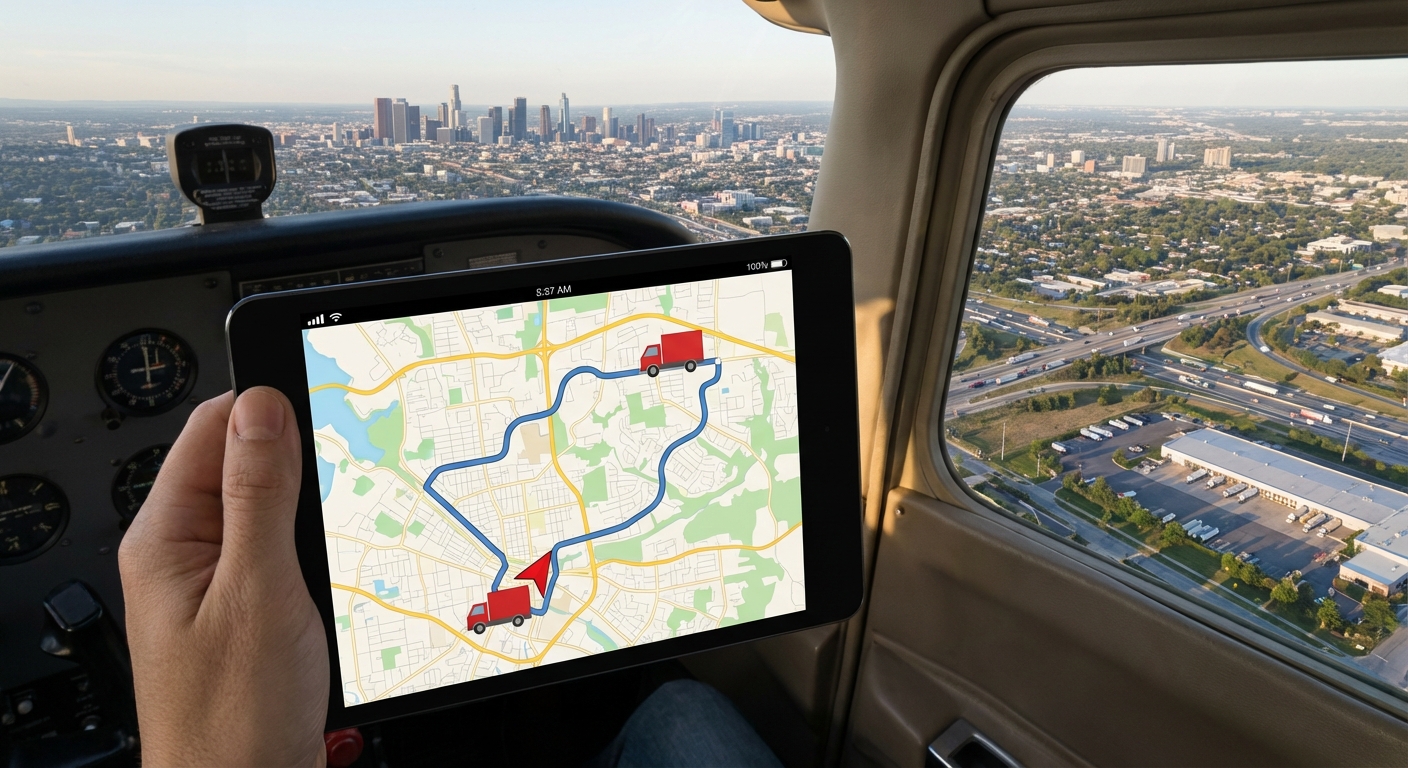
Beyond scene photos, think about other evidence. If you have a dashcam, save the footage immediately. Delivery companies use telematics data, GPS routing, and driver communication logs (like those from Amazon's Rabbit app or other similar systems). This data can reveal route pressure, excessive speeds, or driver distraction. Do not get rid of clothing you wore during the crash or any items damaged in the impact. This material could be critical to building your case. The [National Highway Traffic Safety Administration (NHTSA)](https://www.nhtsa.gov/) frequently analyzes crash data to understand trends, which can inform liability discussions.
8. Understand Liability Nuances
Delivery truck accident cases are rarely straightforward. If a USPS truck caused your crash, you're dealing with the Federal Tort Claims Act, which has strict procedural requirements. If a FedEx Ground truck was involved, the driver is likely an independent contractor, which can make corporate liability harder to establish, but not impossible. Amazon DSP cases often involve claims against both the DSP and Amazon itself, under principles of vicarious liability. Many states follow comparative negligence rules, like modified comparative fault, which can reduce your compensation if you're found partly at fault for the accident. This complexity is why understanding [FedEx Ground contractor liability](/fedex-ground-contractor-liability/) is so important.
Frequently asked questions
What makes a delivery truck accident claim different?
Delivery truck accident claims are complex because of the varying employment relationships of drivers (employees, contractors, federal workers) and the specific regulations governing commercial vehicles. The liable party isn't always just the driver; it can be the delivery company, a contractor, or even the parent brand like Amazon or FedEx, depending on who employed the driver and the circumstances of the crash. This is quite different from a typical car accident.
Can I sue Amazon directly if an Amazon-branded truck hit me?
It depends. Most Amazon-branded trucks are operated by Delivery Service Partners (DSPs), which are independent contractors, not direct Amazon employees. You would typically sue the DSP that employed the driver. However, under vicarious liability or respondeat superior, Amazon itself can sometimes be named as a defendant, especially if there's evidence of Amazon's control over the DSP's operations or route pressure. It's an evolving area of law, and your ability to sue Amazon directly depends on the specific facts of your case. For more details, see [Amazon DSP accident lawsuits](/amazon-dsp-accident-lawsuit/).
What if the delivery driver was using their personal vehicle?
If the delivery driver was using their personal vehicle (common with services like Amazon Flex or some food delivery apps), the legal situation becomes more complicated. Their personal auto insurance might not cover commercial activities, or the coverage limits could be low. You might need to pursue a claim against the driver's employer or the app company directly, depending on the state's laws and the specific terms of the driver's contract. This is a common issue in the gig economy.
How long do I have to file a delivery truck accident lawsuit?
The time limit to file a lawsuit, known as the statute of limitations, varies by state. Most states allow two to three years for personal injury claims, but some have shorter deadlines. If the accident involved a USPS truck, you're dealing with the Federal Tort Claims Act, which has a much shorter administrative claim deadline of two years, followed by another six months to file a lawsuit if the claim is denied. Missing these deadlines can mean you lose your right to compensation. It's wise to understand the specific rules for [USPS truck accident claims](/usps-truck-accident-claims/) if that applies to you.
Delivery Truck Accident is an informational resource about accidents involving Amazon, UPS, FedEx, and other delivery vehicles. We are not a law firm and do not provide legal advice. Information on this site is for general educational purposes only. If you have been hit by a delivery truck, consult a licensed attorney in your state. No attorney-client relationship is created by using this site.